
Can Solar Panels Still Perform Efficiently During Fort Worth Winters?
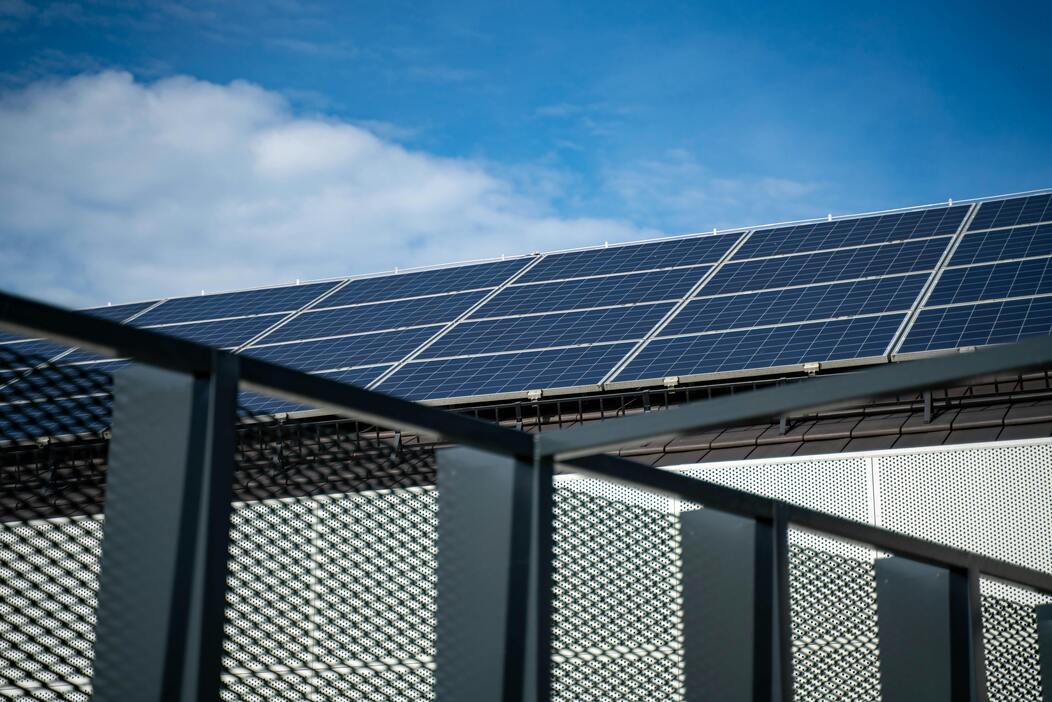
If you're considering solar panels for your Fort Worth home, you might wonder if they can hold up through the winter months. With shorter days, cooler temperatures, and the occasional dusting of ice or snow, it's natural to question whether solar energy is a steady option year-round. Getting the facts about winter performance could impact your next energy decision—especially when North Texas weather keeps you guessing.
Factors Influencing Solar Efficiency in North Texas
Winter conditions in North Texas present unique challenges and opportunities for solar panel efficiency. Despite the shorter days and lower sun angle, photovoltaic (PV) modules typically operate more efficiently in cooler temperatures. For optimal performance, consulting with Solar Experts Fort Worth can provide valuable insights tailored to Fort Worth's climate.
It is important to note that seasonal variations in daylight hours can impact overall energy production. To mitigate this, optimizing the tilt angles of solar panels can enhance their performance across different seasons. Additionally, natural rainfall serves a beneficial purpose by helping to keep the glass surfaces of the panels clean, which can further improve energy output.
Modern solar panels are designed to endure adverse weather conditions, including winter storms. This resilience reduces the likelihood of weather-related damage, contributing to the overall reliability of solar energy systems in the region.
Therefore, while winter does present challenges for solar energy production, the combination of Fort Worth's favorable climate and advances in solar technology allows for continued energy generation throughout the season.
The Impact of Sunshine and Temperature on Winter Solar Performance
The performance of solar panels during winter months in Fort Worth is influenced by both sunshine levels and temperature variations. The region's mild climate, characterized by a significant number of sunny days—averaging 234 annually—facilitates consistent solar energy generation.
During colder months, solar panels tend to perform efficiently due to the reduction of resistance in the materials used, which allows for improved energy production. Additionally, the design of many solar modules enables them to withstand winter weather conditions, including snowfall, without sustaining significant damage. This resilience helps maintain energy generation even in adverse weather, as the panels can continue to absorb sunlight effectively.
Furthermore, homeowners and businesses in Fort Worth can leverage these climatic advantages to reduce their electricity expenses during winter months, often resulting in greater savings compared to the typically higher consumption seen in summer.
Overall, the interplay of sunshine and temperature presents a favorable environment for solar energy production, making it a viable option in Fort Worth’s winter landscape.
How Cloud Cover and Seasonal Changes Affect Energy Output
In Fort Worth, the prevalence of cloud cover during winter does not entirely inhibit the ability of solar panels to produce electricity.
Photovoltaic (PV) modules are engineered to optimize the conversion of diffuse sunlight, which is prevalent even on overcast days. While it is true that shorter daylight hours and reduced sunlight during the winter can decrease overall energy output, it is important to note that colder temperatures can enhance the efficiency of solar panels. This characteristic allows for a more effective energy generation process under such conditions.
Fort Worth experiences an average of 234 sunny days each year, providing a substantial opportunity for both residential and commercial establishments to harness solar energy.
This potential can lead to significant reductions in electricity costs, even when accounting for seasonal variations or instances of snowfall. Therefore, individuals considering the installation of solar panels should recognize the consistent benefits that solar technology can offer, regardless of fluctuating weather patterns.
Design and Installation Strategies for Winter Resilience
When designing solar panel systems in Fort Worth, it is essential to consider the specific winter weather conditions that may impact performance. This entails selecting photovoltaic (PV) modules that are engineered to endure extreme weather conditions, including heavy snowfall.
It is advisable to adjust the tilt angle of the panels to between 30 and 35 degrees, as this orientation facilitates snow sliding off the surface, thereby reducing the likelihood of potential damage.
Additionally, proper spacing among the modules is crucial to allow for effective snow shedding. For areas prone to considerable snow accumulation, utilizing tracking systems equipped with “snow stow” features can enhance energy production on days with limited sunlight, as these systems can reposition the panels to minimize snow buildup.
Implementing these strategies will help ensure that both residential and commercial solar installations maintain their efficiency during the winter months. This approach not only supports consistent energy generation but can also contribute to reduced electricity costs over time.
Best Practices for Solar Panel Maintenance During Cold Weather
Maintaining solar panels during the winter months in Fort Worth is essential for maximizing energy production and extending the lifespan of the equipment. In the aftermath of winter storms, it is advisable to inspect solar modules for accumulated snow and any potential physical damage that may affect their efficiency.
When clearing snow, it is important to use appropriate tools that minimize the risk of damaging the glass surface, which, while durable, can be susceptible to scratches and other issues.
Additionally, homeowners and businesses should proactively clear drainage systems before severe weather events to ensure that solar panels can effectively shed snow during colder periods.
Adjusting the tilt angle of solar panels can facilitate snow removal, as a steeper angle often allows snow to slide off more easily.
Moreover, establishing a plan for professional maintenance services can help address any issues that arise during seasonal transitions, thereby supporting continued energy production.
Overall, these practices are critical in maintaining the performance of solar energy systems throughout the winter months.
Evaluating the Long-Term Benefits of Solar Investment in Fort Worth
Fort Worth's significant solar resource, characterized by approximately 234 sunny days each year, provides a solid foundation for assessing the viability of solar investments in the region.
The solar panels available today are engineered to endure extreme weather conditions, including winter events, which can enhance their operational efficiency in colder months due to improved panel performance at lower temperatures.
Research indicates that photovoltaic (PV) modules can sustain effective energy production even amid seasonal fluctuations and reduced daylight hours. Additionally, precipitation from snow and rain can serve to cleanse the panel surfaces, thereby minimizing potential obstructions that might affect output efficiency.
From a financial perspective, investing in solar energy can lead to decreased electricity costs for homeowners and businesses alike, contributing to long-term economic benefits.
Furthermore, the reliability of solar energy systems can offer stability in power supply, which is an essential consideration for energy planning.
Overall, the alignment of Fort Worth's climate with solar technology capabilities presents a rational argument for solar investments as a sound decision for both residential and commercial properties in the area.
Conclusion
Even during Fort Worth’s mild winters, you can count on solar panels to deliver dependable energy. With proper maintenance and attention to seasonal changes, your system remains efficient—often performing better in cold temperatures than in extreme heat. Thanks to ongoing technology improvements and favorable local climate, your solar investment continues to pay off year-round. Embracing solar means you’re not just saving on energy costs—you're contributing to a more sustainable and resilient energy future.